System Specs:
- Stellar Mass: _ Sol-masses
- Stellar Class: _
- Luminosity: _ Sol
- Planets: 5
- Moons: 0
- Asteroid Belts: 0
- Asteroids: 0
- Objects: 1

Dr. Suvi Anwar marks Meos as a particularly dense region of space due to the palpable presence of the Scourge.
–
Planets Directory:
- H-088
- Vael
- Siktin
- Ossqyu
- Huiton
- Revolver (comet)
–
H-088:
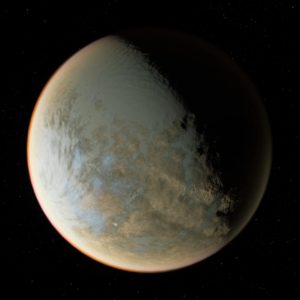
- Orbital Distance: 53.8 AU
- Orbital Period: 93.2 Earth-years
- Keplerian Ratio: _
- Radius: 8,280 km
- Day Length: _ Earth-hours
- Atmospheric Pressure: 1.44 atm
- Surface Temp: 496 °C
- Surface Gravity: _ g
- Mass: _ Earth-masses
Endless flat deserts cover H-088’s surface under a sky suffused with lightning. A single great gouge, like an abandoned quarry, suggests a mining effort by ancient visitors.
–
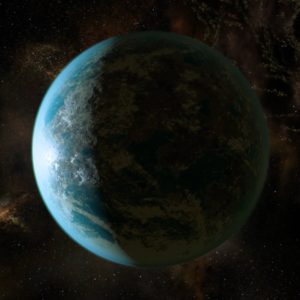
Vael:
- Orbital Distance: 475.6 AU
- Orbital Period: 2,458.0 Earth-years
- Keplerian Ratio: 17.806
- Radius: 10,690 km
- Day Length: _ Earth-hours
- Atmospheric Pressure: 1.96 atm
- Surface Temp: 477 °C
- Surface Gravity: _ g
- Mass: _ Earth-masses
Vael’s silica and aluminum surface is spotted with anomalous materials that defy our scans. Reaching those materials through the scorching irradiated atmosphere will be the challenge of the generation.

–
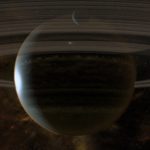
Siktin:

- Orbital Distance: 602.1 AU
- Orbital Period: 3,501.4 Earth-years
- Keplerian Ratio: 17.804
- Radius: 31,783 km
- Day Length: _ Earth-hours
- Atmospheric Pressure: 1.68 atm
- Surface Temp: _ °C
- Surface Gravity: _ g
- Mass: _ Earth-masses
Despite its size, this gas giant was not visible from the Milky Way galaxy during early surveys. Whether it was somehow missed or affected by the Scourge is unclear.
Satellite
DATA:
- Satellite ID: Unknown (corrupted)
- Power readings: 13.5%
- System report: Severe damage to all systems
- Status: Inactive
ANALYSIS:
This Andromeda Initiative satellite appears to be programmed to study Siktin, but many of its key components have been stripped away.
–
Ossqyu:
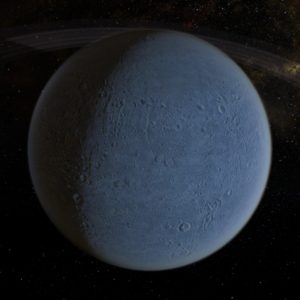
- Orbital Distance: 705.3 AU
- Orbital Period: 4,439.6 Earth-years
- Keplerian Ratio: 17.801
- Radius: 3,783 km
- Day Length: _ Earth-hours
- Atmospheric Pressure: 0.06 atm
- Surface Temp: -101 °C
- Surface Gravity: _ g
- Mass: _ Earth-masses
Gold and silver abound in the thin rings surrounding this icy world, likely caused by numerous meteor impacts over hundreds of millennia.
–
Huiton:
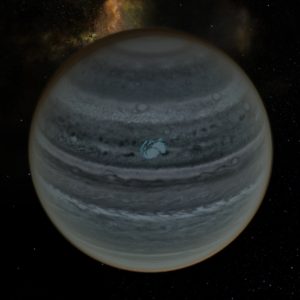
- Orbital Distance: 738.3 AU
- Orbital Period: 4,765.7 Earth-years
- Keplerian Ratio: _
- Radius: 47,469 km
- Day Length: _ Earth-hours
- Atmospheric Pressure: 0.52 atm
- Surface Temp: _ °C
- Surface Gravity: _ g
- Mass: _ Earth-masses
Huiton’s hydrogen and nitrogen atmosphere is notable for its unique weather patterns – storms begin and end here with almost mechanized consistency.
Storm
DATA:
- Radius: 8847 km
- Wind speed: 486 km/h
- Rotation: Counterclockwise
ANALYSIS:
This storm does not fit Huiton’s usual patterns; it appears to be the result of a comet impact that occurred within the past decade.
–
Comet Revolver:

DATA:
- Nucleus: 5 km
- Coma Cloud: 29,300 km
- Current Tail: 329,000 km
ANALYSIS:
Angaran records confirm this comet collided with observational equipment at several points, causing it to spin off course. It follows a doomed orbit.
Awards a random small amount of Titanium when scanned.

–