This is the way Zedicon Prime defaults to serving meals to her clientele/friends/lovers.
Table of Contents:
- Introduction
- Template
- Pics
- Vids
- Playlist
–
Introduction:
Nyotaimori is a meal served on the naked body of a model. This is the default way Inisfreeans offer meals, whether in their restaurants or residences. The following template details a sushi-based nyotaimori, including every sushi type mastered by the Inisfreeans.
–
Template:
OOC TO SELF:
After minutes, i began remembering having RPed this here before. Neat.
Smh
This is technically the 4th nyotaimori I remember RP-ing;
1 was probably for Calla years ago.
2 I remember well; coming down from Hurricane cliff… to La Verkin overlook, if only to plan it with Echo-typist.
3 was for Calla back in maybe February of this year, 2026.
4 is this slightly-different / repeat of the one for Echo.
Whether it’s foreseen or a time-loop or whatever,
it is a GOOD sign that I am getting to at least RP a PART of my god-level (total-genius) website content / vision,
and showing a couple Outlanders/barbarians (nonvegans) the kind of mind-blowing culinary adventures/perfection which can be had, if only one gives veganism a chance.
~2-2:20pm: memory refresh from the people who parked beside me and got their bicycles ready during that timespan;
I remember that from years ago, and it happening into sunset and evening/dusk/nightfall.
This time, I moved while the Sun was still high in the sky, finishing this prep’ while facing the toilets-cabin.
Any loop-break is worth celebrating, since it indicates incredible memory and the willingness to strive/act for better/upgrades.
——
——
PLOT-ARC-ING:
(SENT TO ECHO TYPIST DAYS BEFORE THE RP)
“Just as a reference, most clientele enjoy licking me clean of any crumbs or sauce after having taken all the morsels off me,
and some enjoy when I then straddle them (cock inside me, when on a male) and handfeed them dessert, even kissing their lips after they close them around the bite of food.
Alternatively, I can place a morsel on my tongue and kiss it to them, or say ahh and let them place the morsel on my tongue, then tell me who to kiss it to.
Some clientele in groups have me move to sit on a different cock and slowly ride it for every bite transfer.
Some feel my tits while I get them their food that way.
A few even try to time their orgasms in me with the moment the food leaves my tongue to fall onto theirs.
I typically rest my arms straight out over their shoulders and gaze soulfully into their eyes at that point, subtly grinding on them, getting every last drop in me, occasionally running my fingers through their hair, whispering sweet nothings in their ear.
There is also blindfolding, for those who find partial sensory deprivation enhances flavor profiles perception.
I am happy to lick the teeth and gumlines clean after they swallow their food, and of course suck their tongues and moan into their mouths.
I can also, once the food is no longer on me, take sips of any nonalcoholic beverage and carefully drool-pour them into your mouths, if that turns you on.”
–
NOT YET SENT TO ECHO TYPIST OR YUN-HEE TYPIST:
I will describe the way the room has been fine-tuned to create a high-end sushi-bar atmosphere.
Then I will describe each of the many ingredients, and that will take perhaps half of the time of this RP.
Feel free to RP throughout any of that; no need to wait for me to finish this section before you reply.
This RP will probably take one IRL hour.
Most RPs with me will not be this detailed/lengthy; I don’t always have time to prepare more than ideas in the moment.
Fortunately, Echo-typist was able to give me a week/+ of notice, so I had time to research, draft, proofread, edit, etc.
Oh, and make sure your characters arrive HUNGRY; it will be a special little feast. You won’t need any other meals that day.
—
DISCLAIMER:
((The following RP is officially unrelated to the deposit/payment (transferred ISK). Payments are considered for general consulting, or as donations/gifts, not at all directly connected to specific parts of the RP, even if pre-RP discussions (plot-arc-ing, etc.) cover those specifics. If asked, the preferred response to a question about what the ISK was transferred to pay for… is that any ISK sent to the typist/writer is for consulting in general, such as expertise/suggestions about one topic or another, but NOT for the roleplaying of any specific type of action. Example: You might answer such a question this way: “I just felt like paying that many ISK for that writer’s time or guidance.”))
—
PREFACE:
Most sushi restaurants offered only a few types of seafood; crab, halibut, salmon, shrimp, tuna.
The best sushi restaurants offer more than a dozen very specific types (as you’ll see listed below).
What Z’s family had done was analyze the textures and flavors of all the fish offered by all sushi restaurants, then determine how to make vegan versions as close to those aspects as possible, all without chemicals or strange tastes (which some vegan sushi products in grocery stores, unfortunately, had –though their makers were certainly very clever and admirable).
The common denominator of the basic sushi restaurants is that they don’t have many types of fish, and they are financially forced to cater to the masses who don’t have much concept of flavor, healthfulness, or quality.
The common denominator of the high-end sushi restaurants is that they often only offer a preset meal, not a la carte, and it is mostly or only rare and less-known seafood, sometimes even potentially deadly (pufferfish, etc.).
At both ends of this spectrum, predesigned sushi rolls have names which don’t help the customers quickly understand their ingredient combos; their names are just meant to sound interesting/exciting, not specific/helpful.
Our solution was to just have the list of ingredients, no named rolls, and no preset meal limitations or surprises, letting customers design their own roll/s every time.
When customers love a design (recipe), it gets saved in their file, making it easy for them to ask for it the next time without remembering all its ingredients.
The Michelin-stars restaurants-grading system had, in the millennia since its creation, been expanded;
the original form of it was:
1 star: a very good restaurant in its category (at a minimum, the best in its city)
2 stars: excellent cooking, worth a detour (the best in its ~state/province)
3 stars: exceptional cuisine, worth a special journey (the best in its ~nation/region)
..
Now there were also these ratings/stars:
4 stars: best restaurant in its category on its continent
5 stars: best restaurant in its category in its hemisphere
6 stars: best restaurant in its category on its planet
7 stars: best restaurant in its category in its star system
8 stars: best restaurant in its category in its constellation
9 stars: best restaurant in its category in its region
10 stars: best restaurant in its category in the entire New Eden cluster
11 stars: best restaurant in its category in its galactic arm (for areas/volumes of Space larger than New Eden)
12 stars: best restaurant in its category in its galaxy
13 stars: best restaurant in its category in its galaxies cluster
14 stars: best restaurant in its category in its supercluster
15 stars: best restaurant in its category in its galaxies filament
16 stars: best restaurant in its category in its universe
..
In New Eden, there were this many of each of those:
0 stars: ~billions of restaurants; all the others in New Eden
1 star: ~500 Ms
2 stars: ~50 Ms
3 stars: ~5 Ms
4 stars: ~2,400,000s
5 stars: ~1,200,000s
6 stars: ~600,000s
7 stars: ~78,000s
8 stars: ~11.5 Ks
9 stars: ~600s
10 stars: ~10s (the restaurants in New Eden which are each the best in their respective regional-cuisine categories)
11/+ stars: N/A here, since New Eden does not have contact with civilizations that far out
..
Z was not a restaurant, but an individual, so she didn’t qualify to be reviewed in consideration for earning one or more of those stars, but the quality of food and drinks she knew how to prepare, and how she plated/presented them, was on par with the finest Michelin-ranked restaurants anywhere.
..
That said, since nyotaimori restaurants were very rare, there were probably only hundreds in New Eden, even though there were ~144 trillion humans living there. If Z’s meal-service is counted as a mobile restaurant, or at least a mobile chef/catering business, and deemed excellent enough to deserve Michelin stars, that quality+rarity combination puts her in one of the higher brackets of this grading system. There may only be a handful of people as beautiful as her, who also volunteer for nyotaimori, making any dining event she was part of quite the special / highest-end occasion.
..
Now add her additional services to this equation, and it sets her apart as one of the most sought-after girls in the cluster –and more than justifies her reasonable overnight prices.
For two people:
Simple dinner out: ~$30s
Normal dinner out: 100s
Catering: 200s
Private chef: 500s
Expensive dinner out: 1000s
Private chef flown out: 2000s
Nyotaimori: 3000s
High-end escort: 4000s
Private concert / live music from a new but popular band: (thousands to tens of thousands of dollars)
Private chef flown out, nyotaimori, custom menu, plus high-end escort: 10,000s (1-99 ISK), not incl. gratuity
..
a few more details on pricing later on…
And, as always, a tip (beyond the regular-deposit ISK) is welcome and appreciated, though not asked for. Calculate/Determine your own gratuity.
The industry standard for good service is 18%.
If you are impressed with the service, 20%/more (so, if you paid 54 ISK for the one-hour nyotaimori service, the tip might be 11/+ ISK).
—
ARRIVING:
Everything had been made fresh, that very day, just an hour or so in advance, and kept chilled, as needed.
Echo’s chef was coordinated with, so Echo’s kitchen was completely ready to receive the many food and drink containers, plus the other things necessary for this high-end dining experience.
Zedicon arrived half an hour before the meal was scheduled to be served, time enough to be inspected, having things placed on her, then wheeled out to their tableside.
She arrived through the staff hatch of Echo’s five-story residence in their Space station, went to the restroom on that level to ensure she was spotless, and then lied down on a gurney in the kitchen so the chef could begin arranging the unpackaged premade morsels atop her.
Z’s bodyguard or bodyguards was/were there, too, of course, dressed inconspicuously and keeping out of sight.
—
SETTING THE AMBIANCE:
When Echo and Yun-Hee entered the dining room, they would notice:
Lighting was set romantically dim, mostly indirect.
Paper lanterns, known as chochin (提灯), had been hung in the corners of Echo’s dining room. On them, in Kanji, were positive terms, as if to surround the diners in spells to maintain or manifest all good things.
..
goog
Music was quiet, just a ‘whisper’ in the background, and performed live –by none other than Z’s band, N.E.Z.. All of them were dressed in skimpy kimonos with a hint of translucency.
..
The band’s stage was like a zen garden’s meditation sand, freshly raked into parallel lines, and their backdrop was a lifelike daytime clear-sky image of a towering distinct mountain with curves like unmistakable Mt. Fuji, flanked by cherry blossom trees.
..
Their instruments were not the modern electric ones; unlike in their concerts, they did not have a bass, drumset, guitar, or, keyboard, but the following:
..
Japanese sushi bars (particularly high-end or traditional ones) and geisha dance venues (tea houses/ozashiki) primarily use traditional Japanese instruments, known as wagakki (和楽器), to create a serene or traditional atmosphere. The most prominent instrument found in both, though for different purposes, is the shamisen.
..
Instruments Used in Geisha Dance Venues (Ochaya/Ozashiki):
Geisha—and their apprentices, Maiko—train for years to master traditional arts, focusing on music and dance for banquet entertainment (ozashiki asobi).
Shamisen (三味線): A three-stringed, long-necked lute plucked with a large plectrum (bachi). It is the primary instrument accompanying geisha dances and songs, and its fast-paced style can also define the mood of games.
Tsuzumi (鼓): Hourglass-shaped hand drums, including the kotsuzumi (held on the shoulder) and otsuzumi (held on the hip). These are crucial in Noh and Kabuki-influenced dance performances.
Shinobue (篠笛): A traditional bamboo transverse flute with a soft sound, used to play melodic lines in traditional dance music and festival performances.
Taiko (太鼓): Powerful, large drums often used in performances in districts like Kanazawa.
Koto (琴): A long, 13-stringed zither plucked with finger picks, often used for background music or in formal performances in teahouses.
..
Instruments and Music-types Used in Sushi Bars:
Traditional sushi restaurants or high-end omakase counters often play traditional music to complement the serene, refined, or “Zen” atmosphere.
Koto (琴): String-heavy koto music is very commonly played in the background to provide a peaceful and elegant atmosphere, often paired with shakuhachi.
Shakuhachi (尺八): A vertical bamboo flute with a haunting, meditative sound, often used to create a Zen-like atmosphere in dining settings.
Tsugaru-jamisen (津軽三味線): A specific, percussive, and fast-paced style of shamisen music often used in livelier sushi restaurants to mimic the energy of a busy kitchen.
..
and this is what they played for this hour-long meal:
youtube
((DO NOT INCL IN THAT POST: ((Minecraft Soundtrack – Chinese Mythology Collection))
((IF ASKED, The reason I chose Chinese-inspired music from a computer/video game, not Japanese music from a regular band or orchestra, is because EVE Online is a computer game, and its setting/lore is heavy on the blending of cultures/genres over millennia.))
Z also had hired a geisha to silently gracefully fan (ogi)-dance (Nihon-buyō) to the live music.
The air was clean, crisp, and faintly scented with Oriental potpourri; delicate floral scents and warm chai, including ingredients such as rose petals, jasmine, lavender, amber, and warm spices, displayed in decorative bowls and sachets.
Echo’s carpet and any rugs in her dining room had been freshly vacuumed and additionally cleaned.
Chefs often yell “Irasshaimase!”, a loud, energetic, and traditional Japanese greeting, to welcome guests into the restaurant. Standing in the doorway to the kitchen, the chef and waiter both warmly waived and said this in unison.
Seating was fancy, with cushions and backing of just the right thickness and firmness. They would not be dining on zabuton (cushions) or zaisu (legless chairs) on tatami (floor mats), though, since nyotaimori in this case required a gurney, thus elevated too high up off the floor for anyone seated on the floor to enjoy the full view of.
Their table was pre-set with a dark tablecloth,
a simple votive candle,
a tiny (fist-size) vase of fragrant flowers,
a lit incense stick which would last for the duration of this hour-long experience,
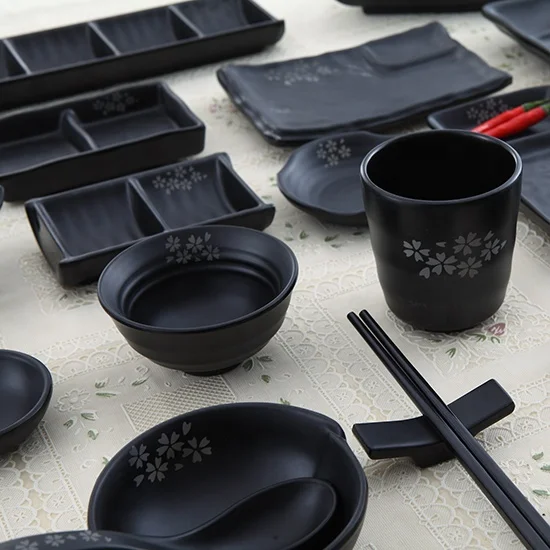
the finest sushi dishware in the cluster (inlaid floral art on smooth dark high-quality porcelain),
..
..
including custom high-end chopsticks
..
link
..
and two complex-exterior (many-faceted) crystal glasses (Edo Kiriko style; nature scenes and mythological creatures such as dragons) for water
( goog ),
but with custom ice-cubes (spheres, actually); Echo’s ice-sphere had her name clearly indented into it, and Yun-Hee’s had her own name. There was only one ice-sphere per glass, since these ice-spheres were big enough to dominate the glass, this helping them to melt more slowly, keeping the beverages less watered down.
Their napkins were also high-end; they were soft fine cloth, not at all disposable.
Echo’s napkin had her name embroidered on it in the alphabet characters of her people, plus there was the symbol she had told Zedicon she had been assigned in a ritual.
Yun-Hee’s napkin was embroidered with her own name and people’s letters.
No one other than Echo, Yun-Hee, Zedicon, and the waiter, would be allowed into their dining room for this hour.
—
WHETTING THE APETITE:
The waiter was in a black kimono cardigan uniform, very ‘sharp’-looking for a gentleman clearly well-trained to host or manage such a multi-course Oriental meal.
His footwear was as traditional as it gets; high-toothed, two-slat wooden geta, which are worn to keep the chef’s feet elevated, dry, and clean, away from waste and water on the floor.
It seemed like the universal starter-drink was being brought out in a nice carafe, but this was the first surprise; when the waiter filled their water-glasses with it,
( pouring the colorful drink:
 )
)
something built into those glasses made it seem colorful and sparkly, as if it was a swirling nebula packed with newly-igniting speck-size stars.
..
((Not fake-icecube lights like in Japan))
Before the meal, a small gift was presented to each woman, both in the kind of box a diamond ring would be in for safe keeping.
Echo’s gift box was wrapped in expensive wrapping paper with a pattern of the symbols of the organizations she had been part of, and inside was an insignia of her rank, Divine Commodore.
Yun-Hee’s gift box was wrapped in expensive wrapping paper with a pattern of the symbols of the organizations she had been part of, and inside was an insignia of her rank, Paladin Crusader.
The waiter asked which beverages they’d like to start with, and made pairing suggestions for each. Z had brought:
–Green Teas (Agari, Genmaicha, and Konacha): The quintessential pairing. Hot, slightly bitter green tea cleanses the palate between different types of fish, ensuring you taste the unique flavor of each piece.
–Ginger Ale/Ginger Beer: An excellent non-alcoholic choice, as the ginger mirrors the palate-cleansing ginger served on the plate.
–Roasted Rice Tea (Genmaicha): A mild, nutty, and slightly sweet tea that pairs well with grilled fish or tempura rolls.
–Sparkling Water: With lemon or lime, it offers a refreshing, neutral palate cleanser.
–Citrus & Ginger Mocktails: Yuzu ginger shandy, ginger lemonade, or shiso soda offer acidic/spicy notes that complement raw fish and pickled ginger.
–Roasted Barley Tea (Mugicha): A savory, roasted, caffeine-free Japanese staple that acts as a soothing palate cleanser.
–Non-Alcoholic Sake: Options like Origami Sake Zero bring the rice-forward, nuanced flavor of traditional sake.
–Lightly Sweet Teas/Juices: Lychee juice or cold Jasmine tea pairs well with sweeter, fruit-topped, or tempura rolls.
..
Any of those Echo and Yun-Hee selected would be presented to them, the bottle (in the case of bottled beverages, vs. kettle-poured teas) held at an angle so that the label was below their eye level and facing them, and then the contents would be skillfully poured into their main-beverage glasses until ~half full.
Instead of always pouring, which might splash a little, a stainless steel syringe the size of a turkey baster (called a “wine thief” or “barrel thief”) was used, first drawing up the right amount of beverage from the serving bottles, and then slowly releasing it around the custom engraved ice sphere in each of their glasses.
Z did not prepare or order alcoholic beverages for any clients, since she preferred her clients to be sober, thus able to fully taste and smell whatever she had been asked to prepare for them, so if Echo and/or Yun-Hee wished for an alcoholic beverage then it was up to Echo’s chef or other staff member to have those ready.
Salad was the first food to be served. Goma wakame was the traditional one for this region’s cuisine. The waiter carried it out and set it on the table, one for each woman.
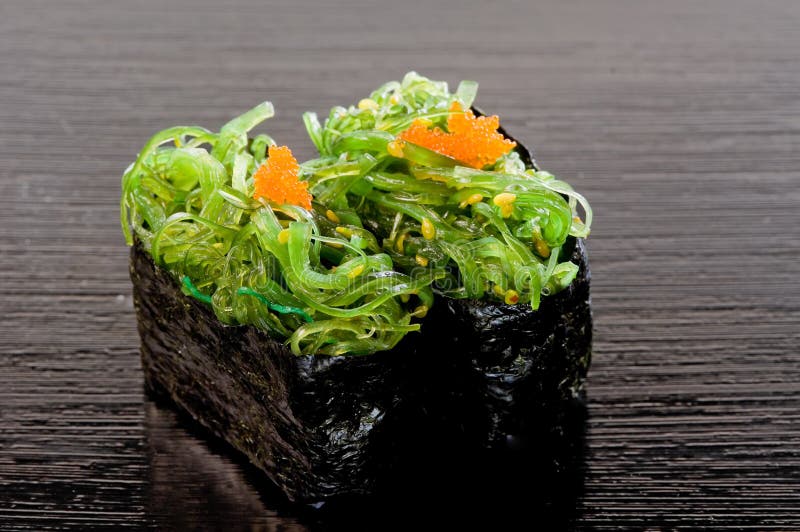
A few single-serving snack-portions were then brought out, also by hand, set on the table, its name whispered professionally, as if sharing an interesting secret, not merely announcing it in normal conversation.
—
ZEDICON NOW APPEARS:
The waiter carefully pushed the gurney out of the kitchen. It had wheels as a low-tech backup, and they were well-oiled, thus silent, but its primary system was hover-tech’, further helping keep it level, thereby better preventing potential jolts which might spill some of the food off Zedicon’s body.
Zedicon was prone, on her back, arms at her sides, legs almost together, looking completely relaxed atop that gurney, though careful not to be so limp that the food atop her might spill off to either side. Her breathing was barely visible with the subtle, slow, controlled rising and falling of her chest. She was blinking normally, but that was pretty much her only other visible movement.
Once the gurney was slowed to a stop in front of Echo and Yun-Hee’s table for two, all of Zedicon’s beauty was there to behold. Her perky breasts and bald tight pussy were fully exposed, as was most of the rest of her. She only had on the finest of diaphanous silk ribbons/sashes, draped diagonally over her in a few places, as artistically as can be, concealing nothing. It almost gave her the appearance of a horizontal Christmas tree, the way she’d been barely spiral-wrapped/accented.
((white seethrough long-skirt pool-bronze))
translucency of the silk draped across a few parts of her:

Her bright pink-orange hair, a few feet long, easily down to her pelvic dimples, had been intricately braided into thick pigtails placed and curled interestingly near her shoulders, preventing it from tugging underneath them or her back.
If Echo and Yun-Hee looked closely at her extremities, they’d see she was well manicured and pedicured.
Once the gurney was stopped and locked in place, the waiter bowed from the waist up, first to the woman of the house, Echo, and then facing Yun-Hee.
Z, unable to bow due to being covered in some of the meal, raised her hands up into prayer or gratitude gesture in front of her forehead, and said, “This girl shall strive to be pleasing this evening.” It was a kajira kind of things to say, as humble and polite and positive as possible, even monk-like.
In contrast to her great beauty, Z was very humble and approachable, and she prided herself on that. Her focus was not on boasting or coldness, but brightening people’s days –or nights.
She was always very happy when new clients trusted her, and when anyone let her handle the details, especially when they let her go all out, just like she, like her father, always preferred to.
Z had helped cook great meals most of her life, so tonight was another treat not only for her clients, but for herself, and right up her alley.
She only asked them one question. “Shall I softly moan every time you select a morsel off me?”
—
INGREDIENTS IN LITTLE BOWLS AROUND ZEDICON, AND UNDER HER LEVEL OF THE GURNEY:
((Quite a few starter posts/paragraphs in this section, so please bear with me as I set this complex scene.))
Every morsel and little sauce cup had a fancy namecard/label right alongside it, and each namecard/label had the name in two languages; it was written in the language of Echo’s homeworld, and the language of Yun-Hee’s homeworld. This way, at a glance, without need of any translation, they would instantly recognize, or at least be able to read the names of, everything they were about to get to try.
BASES:
These are kept in separate little bowls all around her:
–Tofu replaces softer-texture seafood types. (best: premium, fresh, high-quality silken (kinugoshi) or soft hand-pressed tofu)
–Carrots, eggplant, mushrooms, and tomatoes (shaped, textured, seasoned, cooked, chilled, further shaped (around the rice), etc.) replace many of the fish types. (best: premium Japanese heirloom carrot varieties, most notably the Kyoto Red carrot (Kintoki-type), prized for its deep red color, tender texture, and intense sweetness…
Japanese eggplant, known as nasu. Specifically, they prefer slim, thin-skinned heirloom varieties like Mizu-nasu (water eggplant), which is tender enough to be eaten raw, or varieties with minimal seeds, sweet flesh, and deep purple skin…
(mushroom varieties) Matsutake (prized for aroma), Shiitake (for umami-rich simmered toppings), Enoki (for texture), and Nameko (in miso soup)…
high-sugar “fruit tomatoes” (高糖度トマト), with the Momotaro variety being the most popular due to its perfect balance of sweetness, acidity, and firm texture)
–Seitan replaces medium-toughness seafood types. (best: house-made or traditionally produced, artisanal wheat-gluten seitan marinated in high-quality shoyu, ginger, and kombu)
–Tempeh replaces seafood types with the most ‘pull’/stretch/toughness, or the least-flat surfaces. (best: fresh, artisan, or locally produced tempeh, such as by Tempeh Culture)
Different combinations of supporting ingredients are added to those three bases to result in a greater variety of products, each as close as possible, in terms of texture and flavor, to what inspired them. Sometimes, many decide, the result is even superior to the original. Digestion tends to be much more pleasant, as well, and these substitutions or replacements prevent the possibility of seafood-borne parasites.
25 KEY INGREDIENTS:
These are kept in separate little bowls all around her.
–Sushi Rice: The Foundation of Your Sushi Roll (best: Japanese short-grain Koshihikari rice from the Niigata Prefecture, renowned for its superior stickiness, sweet flavor, and glossy appearance)
–Rice Vinegar: The Secret to Perfect Sushi Rice –Use brands specifically labeled for making sushi. (best: Yokoi red vinegar (akazu))
–Nori Sheets: The Backbone of Sushi Rolls (best: premium, first-harvest Japanese nori, specifically from the Ariake Sea in Japan, known for its dark color, intense umami, and crispiness)
–Wasabi*: The Spicy Kick (best: freshly grated Wasabia japonica rhizome, often grated on-demand using a sharkskin grater (oroshiki). Unlike the fake, pungent green paste (horseradish and mustard) found elsewhere, authentic wasabi is creamy, pale green, and offers a balanced, complex, and mildly sweet flavor that enhances rather than masks the fish)
–Soy Sauce: The Ultimate Companion (best: high-quality, aged dark soy sauce (koikuchi shoyu) or, more commonly, a house-made Nikiri sauce—a blend of soy sauce, mirin, dashi, and sake. Premium brands frequently used include Kishibori Shoyu and Yamasa, which offer deep umami without overpowering the fish)
–Sake: A Unique and Flavorful Rice Wine (best: high-end Junmai Daiginjo sake for its delicate, fruity aromas and clean finish, or structured Junmai Ginjo to pair with richer fish. Renowned sakes used include Dassai 23/39/45, Masumi Sanka, Born Gold, and Wakatake Onigoroshi (Demon Slayer), favoring clean, crisp flavor profiles that complement raw fish)
–Mirin: Adding Sweetness to Your Sushi Sauce (best: Hon Mirin (true mirin), which is a naturally fermented rice wine with about 14% alcohol, no added sodium, and no corn syrup. Renowned brands often used by professionals include Mikawa Mirin, Fukuraijun Hon Mirin, and Kokonoe Sakura)
–Dashi: The Soul of Japanese Cooking (best: high-quality ichiban dashi (first broth), meticulously prepared daily from premium ingredients. This “golden” dashi is crafted using aged kombu (kelp rich in glutamic acid) and freshly shaved, high-grade katsuobushi (dried skipjack tuna), creating a delicate, aromatic, and deep umami flavor)
–Miso: A Versatile and Flavorful Paste (best: premium, Kyoto-style light white miso (Shiro Miso) or Saikyo miso for delicate, balanced flavor; brands such as Ishino)
–Sesame Oil: A Nutty and Aromatic Oil (best: high-quality, authentic Japanese or Korean toasted sesame oils, with Kadoya Pure Sesame Oil being a widely regarded favorite for its rich aroma)
–Wakame: A Nutritious and Tasty Seaweed (best: high-quality Undaria pinnatifida)
–Bonito Flakes: The Perfect Topper (best: high-quality, traditionally produced Honkarebushi (fermented and mold-aged) katsuobushi. These refined, smoky bonito flakes offer a deep umami flavor, often sourced from specialized makers in Kagoshima. Premium flakes are shaved thin from a hard, aged, and smoked skipjack tuna block to produce refined, clear dashi)
–Kombu: A Versatile Seaweed (best: Ma-kombu for its refined, deep umami, or Rausu-kombu for its intense flavor)
–Kewpie Mayonnaise: A Creamy Twist (best: Kewpie, a.k.a. QP –though tonight, ours is house-made, and does not include MSG, even though MSG is arguably not as bad as it was once made out to be)
–Toasted Sesame Seeds: A Delicious Topper (best: high-quality, freshly toasted white or black sesame seeds, often referred to as Irigoma. The finest establishments prefer to toast raw sesame seeds in-house to maximize aroma, though premium pre-toasted brands like Sushi Chef are used)
–Panko: A Light and Crispy Breadcrumb (best: Nama Panko (fresh, soft panko) made from crustless shokupan (Japanese milk bread). These fresh breadcrumbs are large, fluffy, and air-dried rather than hard-dried, producing a superior light and craggy crunch. Top-tier chefs often make their own fresh panko daily, but top brands include Nakaya)
–Tempura Flour: A Light and Crispy Batter (best: ultra-low protein, high-quality cake flour to minimize gluten development, ensuring a light, crispy, non-greasy texture. Japanese experts often use Nisshin Super Violet flour, a gold standard low-protein flour)
–Ginger: A Fresh and Spicy Root (best: Gari (or amazu shoga), which is young, thinly sliced ginger pickled in rice vinegar, sugar, and salt. High-end sushi chefs prefer young ginger, which is tender, not fibrous, and naturally turns pale pink or white when pickled, acting as a palate cleanser)
–Garlic: A Pungent Addition to Your Sushi Fillings (best: high-quality, pungent Japanese garlic, sometimes called “ajo japonés,” for its superior aroma and flavor profile –or, influenced by fusion styles, incorporate black garlic for a sweeter, more complex, and umami-rich flavor)
–Shichimi Togarashi (seven-spice blend): Adding Heat to Your Sushi (best: Yagenbori (Tokyo’s historic, original maker) or high-grade artisan blends from Kyoto, rather than generic brands. These blends prioritize a delicate balance of coarse red chili, aromatic citrus peel, and sansho pepper)
–Tomago: The Delicious Sweet Omelet Topper (best: Tamagoyaki (or Dashimaki Tamago), a custom-made, sweet-and-savory, rolled egg omelet –in a delicate, multilayered cooking method to create a castella-like cake, rather than simple fried egg layers)
–Scallion (Green Onion): Adding a Mild Onion Flavor to Your Sushi (best: Japanese negi (long green onions/Welsh onions), specifically thin, mild varieties like Bannō-negi (fine green onion) for garnish or Kujo-negi for its sweet, tender quality. These are chosen for their refined, mild flavor, crisp texture, and lack of harsh, overpowering onion scent, often meticulously hand-sliced with a sharp knife to avoid bruising)
–Tobiko (flying-fish roe): Adding a Pop of Color to Your Sushi (best: high-grade, salt-cured or soy-sauce-marinated natural red-orange tobiko)
–Massago: Adding a Mild Fish Flavor to Your Sushi (best: the Tsumoto Method (a revolutionary Japanese fish-processing technique developed by Mitsuhiro Tsumoto that uses pressurized water to remove over 99% of blood and marrow from fish. This technique eliminates odors, prevents spoilage, and enables long-term, high-quality aging (0°C) for maximum umami), rather than a “massage”. This specialized technique ensures superior flavor by removing blood and aging the fish, resulting in enhanced texture, while chefs prioritize ingredient-led, fresh, and perfectly balanced morsels)
–Ikura (cured salmon roe): Adding a Pop of Saltiness to Your Sushi (best: fresh, high-quality Hokkaido-sourced ikura, specifically during its peak season in autumn)
*The wasabi was authentic, not what most (99% of) sushi restaurants used, which was merely a mixture of horseradish and mustard dyed green, thus more aggressive. Tonight, this authentic wasabi was milder, much easier to pile on if desired. It had also been grated with the skin of a stingray, which makes it less spicy and more aromatic.
Z made sure to include some ingredients either only found on Echo’s and Yun-Hee’s homeworlds, or at least famous or popular on those homeworlds,
and to have the waiter memorize and story-tell numerous facts about that, honoring both their lands and peoples.
STORIES DURING SERVING:
It is years before any apprentice is even allowed to touch the rice, let alone the other ingredients. They spend at least their first year cleaning, folding or rolling napkins precisely, and mastering other basics first. Even being accepted as an apprentice can take months of repeated polite asking.
The prepared rice is kept in different temperature-holding containers, that chilled rice be paired with other ingredients best served chilled, while lukewarm rice is paired with ingredients best served lukewarm, and so on. Everything is thoughtfully married, unified like that.
They even knew which mine the salt had come from, the number of generations it had been operational, how many times it had been sifted to obtain the uniform consistency of this brand, and precisely how much to sprinkle or rub onto each different piece and type of ingredient.
They knew the salinity of the ocean the seaweed had been farmed in, and how it had been dried and seasoned.
They knew more than the details of the ingredients, too;
they knew which farms and seas they came from,
when each was in season on different worlds,
and how to store them,
such as which materials to make their containers out of,
and which materials to make their cooking vessels out of for best results.
Everything was done by hand; no high-tech cooking gadgets had been used, so as to ensure everyone involved could complete each step of the processes even if electrical power was lost.
“As one chef put it, fusions are often for novelty, not genuinely deliciousness, but all these recipes tonight were wisely for the latter.”
Molecular gastronomy was yet another interwoven feature of this culinary master stroke; some of the mains and even a few side dishes had been carefully crafted in such ways as to make their flavors and consistencies unexpected just from first sight or smell. For example, one thing which looked sweet might be savory, and another thing might have a coarse or bumpy exterior yet be soft and creamy.
“My father taught me many of these cooking techniques. He has always been passionate about food, cooking, health, respect for the ingredients, and dreaming up heartfelt custom experiences for people. I do my best to carry on those traditions.”
..
Some of the techniques she and the other preparers use:
The World’s #1 Sushi Restaurant That’s Impossible To Book
(Nihonbashi Kakigaracho Sugita)
..
also see:
Eat the Top 15 Most Mind-Blowing Sushi with Lucas Sin in Tokyo’s Best Omakase | Best of the World
As many rolls tonight as Echo and Yun-Hee wanted custom would be, “made to order”; “Choose your ingredients, and we’ll roll them up and slice them for you.”
We have no named rolls, as that was overload for most customers viewing most menus.
All can have tempura parts, or be entirely tempura.
All can be made spicy or sweet or a combination of those, whatever.
The waiter explained the different knives used in preparing the different ingredients; why they had different curves, and which bladesmiths had made them.
STARTERS:
These are kept in separate little bowls all around her.
–bento box (a tray with partitions, each area holding a different food); Makunouchi bentō (classic style of bento with rice, umeboshi, a slice of broiled salmon, and a rolled egg) or Shōkadō bentō (traditional black-lacquered bento box)
–eggplant tempura; Nasu tempura
–fried tofu; Agedashi
–inari (sushi rice stuffed in seasoned fried tofu pouches) (best: high-grade aburaage)
–miso soup: Misoshiru
–miso soup, red: Aka Misoshiru
–pot stickers; Gyoza
–pumpkin tempura; Kabocha tempura
–ramen; Shina (China) soba, or Chūka (curly Chinese noodles) soba
–rice, white, sticky; Mochigome
–salad, seaweed; Goma wakame
–stem beans; Edamame (best: premium, bright green, plump pods tossed with coarse sea salt, or sautéed with garlic, sesame oil, and chili)
The edamame, because it piles but does not stack particularly well, is presented in tiny bowls, not on Z’s body.
Miso soup and ramen, of course, and sizzling-hot entrees/items, such as freshly-made tempura, are not on Z’s body, but out at her sides, or in the trays beneath the top of her gurney.
All sushi types, and desserts which won’t melt from body-heat, are served nyotaimori.
FORMS (‘SHAPES’ OF THE MAIN COURSE):
Any combination of the other categories of ingredients, when suitable as a sushi roll (or other ‘shape’ (form)), can then be built into any of the following ‘shapes’ (forms).
–chirashi (bowl, not assembled)
–gunkan (anything seaweed-wrapped without rice)
–hako (cube of rice, square of fish atop)
–ikura (salmon roe in seaweed)
–ikura sake (fish out, salmon roe in salmon)
–maki / uramaki (rice out)
–nigiri (piece resting atop a rice rectangular prism)
–nori (wrapped rectangularly around senbei; rice crackers)
–onigiri (triangular)
–oshi (pressed, on a leaf)
–oshizushi (nigiri plus a seaweed band) –AND 2 STYLES (SUBSETS); BAND AROUND (just the) RICE, vs. BAND AROUND ALL
–sashimi (fish slices)
–sushi (seaweed out)
–taco
–tama niku (beef and quail egg in seaweed)
–temaki (cone, 2 sizes; full or mini)
–temari (rice ball, fish atop, then toppings atop fish)
–tobiko (capelin roe in seaweed)
–uzuri maguro (fish out)
‘FISH’:
These are kept in separate little bowls all around her.
(Japanese word/s after the semicolon of each of the following)
–Amber Striped Scad; Muroaji
–Angry Rockfish; O-Saga
–Baby Crimson Sea Bream; Kasugo
–Barracuda, young; Kamasu
–Bonito (related to tuna and mackerel)
–Cobia; Sugi
–Cod, Black; Gindara
–Cuttlefish; Aori Ika
–Flounder, marbled; Makogare
–Flounder, Olive; Hirame
–Flounder, side-fin; Engawa
–Flying-fish eggs; Tobiko (orange spheres)
–Half-beak; Sayori
–Halibut; Ohyo
–Japanese Butterfish; Ebo Dai
–Japanese Whiting; Kisu
–Kohada (medium-sized dotted gizzard shad (konoshiro) which belongs to the herring family)
–Longfin Yellowtail; Kanpachi
–Mackarel; Saba
–Mackarel, Spanish; Sawara
–“Middle” (link)
–Otoro (the most-prized part of the tuna belly)
–Red Horsehead; Akauo (a.k.a. Tilefish; Amadai)
–Round Green Eye; Mehikari
–Salmon, Cherry; Sakura Masu
–Salmon, Chum; Zuke Shiro Sake
–Salmon, King; Masu no Suke
–Salmon, Sockeye; Beni-Zake
–Salmon, smoked; Sumōkusāmon
–Seabass, Rosy; Akamutsu
–Skillfish; Abura Bozu
–Snapper, Golden Eye; Kinme Dai
–Striped Jack; Shima Aji
–Tuna; Maguro
–Tuna, fatty; O-Toro
–Tuna, lean (Bluefin); Akami
–Tuna, medium fatty; Chu-Toro
–Turbot; Makogarei
‘SEAFOOD’ OTHER THAN FISH:
These are kept in separate little bowls all around her.
–Abalone (large sea-snail); Awabi
–clam; Akagai (and other terms, based on clam-race)
–Cockle (mollusk); Torigai
–crab; Kani
–eel; Unagi
–eel, Conger; Anago/Hamo
–Kobashira (adductor muscle of the surf clam); (same word in Japanese)
–lobster; Robusutā
–octopus; Tako
–roe (fish eggs, not a spread like caviar –e.g. ‘masago’; capelin-roe)
–sea scallop; Hotate
–sea urchin, California; California Uni
–sea urchin, Hokkaido; Kita-Murasaki Uni
–shrimp, Imperial; Kurumaebi
–shrimp, Mantis; Shako
–shellfish; Kai
–shrimp, Kuruma; Ebi
–soft-shell crab; Sawagani
–Spot Prawn; Toyama Ebi
–squid, Bigfin Reef; Aori Ika
–squid, ink; Sumiika (piece of this animal, not its ink)
–Whelks (sea snail, crunchy, softly sweet); (same word in Japanese)
VEG’, FRUIT, & HERBS:
These are kept in separate little bowls all around her.
–apple; ringo (best: Aomori Fuji apples due to their exceptional sweetness, firm texture, and high juiciness)
–avocado; abokado (best: perfectly ripe Hass avocados due to their creamy, high-fat content, which acts as a fatty substitute for toro (fatty tuna). Top chefs select Hass avocados for their rich, buttery texture and ability to maintain a firm yet creamy texture without being stringy)
–basil; bajiru (best: Shiso leaves (Perilla frutescens), commonly referred to as “Japanese basil”, which belongs to the mint family rather than the traditional Italian basil family. Green Shiso (aojiso) is preferred for its fresh, citrusy, and mint-like flavor, providing a necessary antibacterial barrier and fragrant pairing with fatty fish like tuna and salmon)
–broccoli; burokkorī (best: actually, broccolini (also known as baby broccoli or “Stick Senior” in Japan))
–carrot; ninjin (best: (already noted above))
–cilantro; pakuchi (best: fresh, bright green cilantro (pakuchi) leaves and delicate stems for their distinct aroma and citrusy flavor)
–cucumber; kyūri (best: Japanese cucumbers (kyuri) for their thin skin, small seeds, and crisp, non-bitter taste)
–green onion; midori negi (best: Negi (Japanese long onion/Welsh onion) for its mild, sweet flavor)
–jalapeño; (same word in Japanese) (best: fresh, thinly sliced green jalapeños)
–mustard greens/seed, pickled; takana / takana-zuke (best: Mizuna (Brassica rapa var. nipposinica), a Japanese mustard green with tender, serrated leaves and a mild, peppery flavor. Also known as spider mustard or kyona)
–zucchini; (same word in Japanese) (best: firm, dark green zucchini (courgette))
SIDES/TOPPINGS:
These are kept in separate little bowls all around her.
–Aojiso (1 of 2 varieties of the ancient herb Shiso)
–*We do not use cream cheese, as it was never used in traditional Japanese sushi (excepting one or two rare rolls which have a veganized version).
–egg custard-like rectangular treat; Tamago (Japanese-style omelet made by mixing eggs with sugar, soy sauce, and mirin, and then cooking it in a rectangular pan to create a sweet and savory omelet)
–ginger, shaved; Gari
–Kosho dressing (a pasty Japanese condiment made from fresh chiles (most often green or red Thai or bird’s eye chiles) then fermented with salt along with zest and juice from yuzu, a tart and fragrant citrus fruit that grows in East Asia)
–lemon; Remon (and that is not a joke poking fun at how they use/switch “L” and “R”)
–lily bulb; Yurine (not a joke; translates to “lily root”)
–Maitake (its Chinese name, which means “dancing”) mushroom, roasted: This is known in English as Grifola frondosa (a.k.a. hen-of-the-woods), and its nicknames in Japanese mean “ram’s head” or “sheep’s head”.
–sesame seeds (toasted); Goma Shushi
–tempura/Panko crumbs; Tenkasu
–wasabi (paste of Japanese horseradish and other ingredients, though ours has no green food-coloring)
–watermelon pearls; Suika Shinju
SAUCE:
These are kept in separate little bowls or mini-fridge bottles all around her.
–aioli (a Mediterranean sauce traditionally made from an emulsion of garlic, olive oil, and salt, with origins in France, Spain, and other Mediterranean regions, where its name means “garlic and oil”), spicy; aioli tsurai (best: house-made)
–all-purpose miso sauce; Miso Dare (best: Awase Miso (mixed miso))
–chili sauce; Chirisōsu (best: Huy Fong Sriracha)
–eel sauce; Nitsume / Kabayaki (best: house-made eel sauce (unagi tare) by reducing soy sauce, mirin, sake, and sugar, often simmering it with grilled eel bones for deep umami)
–Kewpie (company and sauce name); much spicier than Yum Yum
–Okonomiyaki (a savory Japanese pancake made from a batter of flour, eggs, and dashi, mixed with shredded cabbage and other ingredients like meat or seafood, then pan-fried and topped with a sweet and tangy okonomiyaki sauce, Japanese mayonnaise, bonito flakes, and seaweed. Often called “Japanese pizza”.) (best: Kansai (Osaka) style, preferred for its refined, lighter texture, achieved by mixing shredded cabbage, egg, and flour with grated mountain yam (nagaimo), creating a custard-like fluffiness that is often considered more sophisticated than the layered, noodle-heavy Hiroshima style)
–poke (“cut into pieces”) dressing; poke doresshingu (best: marinated in shoyu (soy sauce), sesame oil, sea salt, and green onion, often prepared on-demand)
–Ponzu (a tangy Japanese sauce made from soy sauce, rice vinegar, mirin, and citrus juice (traditionally yuzu), often with added dashi, kombu, and bonito flakes for umami) (best: artisanal, high-citrus ponzu, with Asahi Ponzu being a favored classic from Osaka)
–sesame; Goma Dare (best: created from toasted white sesame paste (or high-quality tahini), soy sauce, mirin, rice vinegar, sugar, and dashi stock. The key to the best flavor is grinding fresh, deeply roasted sesame seeds for maximum aroma)
–soy sauce (best: Shibanuma Artisanal Soy Sauce (“The Exquisite One”), and Pearl River Bridge Superior Dark Soy Sauce (“The Elevated One”), though of course Kikkoman makes a healthy great everyday one that is also a favorite
–spicy mayo; Tsurai Mayonēzu (best:
–sriracha; (same word in Japanese) (best: “QP” mixed with Sriracha)
–Teppenyaki (a Japanese dining style using a large, flat iron griddle (teppan) to cook food (yaki) directly in front of guests) (best grills for this: custom-built, high-end commercial teppan tables, often featuring integrated downdraft ventilation, designed for precision cooking with high-grade steel. Renowned manufacturers for professional, built-in teppanyaki equipment include Fujimak, Fancy, and specialized luxury commercial kitchen brands)
–Teriyaki (best: house-made –by simmering soy sauce (often Kikkoman), sake, mirin, and sugar for a rich, authentic glaze)
–Tonkatsu (best: premium Kurobuta for its superior marbling, tenderness, and sweet flavor)
–Tosazu (a premium, umami-rich Japanese seasoned vinegar (dashi vinegar) that combines rice vinegar, soy sauce, mirin, and bonito dashi. Renowned for its smoky, slightly sweet, and balanced flavor, it is used as a versatile dressing, dipping sauce, or marinade for seafood, vegetables, and sunomono (vinegared dishes)) .. (high-quality rice-vinegar fermented in Japanese-cedar casks, seasoned with 100% natural kombu-seaweed, bonito fish-flakes, amazake, and mirin) .. (best: Marusho)
–Unagi (best: Japanese freshwater eel (Anguilla japonica), often referred to as “blue eel” (aonabe))
–Yakiniku (a Japanese barbecue dish of bite-sized meats and vegetables) (best: premium, well-marbled, specialized cuts, prepared with skilled knife-work, grilled over charcoal)
–Yakisoba (Japanese stir-fried noodle dish made with wheat flour noodles (similar to ramen), vegetables like cabbage, onions, and carrots, and a protein such as tofu, all coated in a sweet and savory sauce similar to Worcestershire sauce) (best: fresh, slightly flat ramen-style wheat noodles –then pair the noodles with homemade sweet-and-savory sauces (blending Worcestershire, oyster sauce, and soy sauce) and premium ingredients)
–Yum Yum; sweet and mildly spicy (best: *Top-tier sushi restaurants generally do not use traditional “yum yum” sauce, as it is a Japanese-American fusion condiment for hibachi, not traditional sushi. However, for that creamy, tangy flavor, the best restaurants use high-quality, authentic Kewpie Mayonnaise combined with rice vinegar, sugar, and soy sauce.)
–yuzu vinaigrette; wafū yuzu (best: house-made yuzu-soy vinaigrette combining yuzu juice, soy sauce, rice vinegar, and a neutral oil (like grapeseed) for sashimi and salads. High-end kitchens frequently blend fresh, cold-pressed yuzu juice with soy and sometimes miso, focusing on a balance of tangy, citrusy, and savory umami notes)
TOTALS:
4 bases
25 keys
12 starters
19 forms
38 fish-like
22 non-fish seafood-like
11 fruits/herbs/vegetables
12 sides/toppings
21 sauces
..
4+25+12+38+22+11+12+21 = 145 little bowls all around her
(and they are arranged as two columns of 30 bowls at both of her sides, plus a row of 7 bowls ‘above’ her head and shoulders, a row of 7 bowls ‘below’ her feet, and a column of 11 bowls between her legs)
Placed side by side, touching, five from side to side, and 15 from upper-pussy area to collarbone area, Z’s torso-front had room for ~75 morsels (each like a single slice/’wheel’/’disc’ of a sushi-roll), and the fronts of her upper legs (thighs) had room for another ~10 a piece; together, those body-part surfaces can support nearly 100 morsels, thus ~45-50 per dining guest, if for a party of two.
In short, tonight, ~45 different morsels/recipes were be displayed on Z’s body, and all other morsels/recipes were be displayed on saucers or in little cups/bowls around her.
Z had arranged this menu upon Echo’s request, selecting the 45 most-popular sushi-rolls from all across New Eden, ranging from mild to spicy, some raw and others partially fried, dozens traditional while several were avant-garde, signature creations only Z knew the full recipes to.
((collage; just the food all around Z
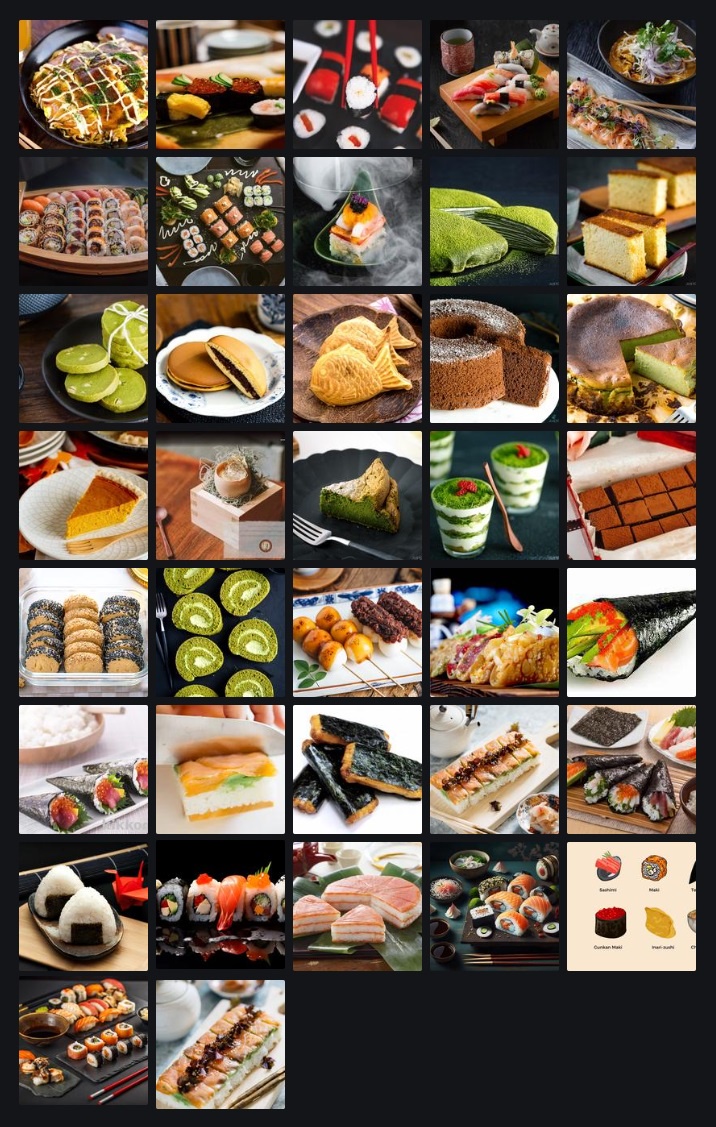
((general overhead of a girl on a gurney-like table

‘Eastern’ (traditional Japanese) Rolls:
–Tekka Maki: Raw tuna roll
–Kappa Maki: Cucumber roll
–Negitoro Maki: Fatty tuna and green onion roll
–Hamachi Maki: Yellowtail roll
–Shinko Maki: Pickled daikon radish roll
–Kanpyo Maki: Sweet marinated gourd strip roll
–Natto Maki: Fermented soybean roll
–Umeboshi Maki: Pickled plum roll
–Futo Maki: Thick, multi-ingredient roll
–Hoso Maki: Thin, single-ingredient roll
(any of those.. sometimes paired with a single edible flower –in this case (tonight), of the varieties native (at least since terraforming/colonization) on Echo’s and Yun-Hee’s homeworlds)
‘Western’ Rolls:
–Avocado
–Black Sesame
–California (crab, avocado, cucumber)
–Caterpillar (cooked eel)
–Crispy Rice with Crab
–Crunchy (fried salmon/shrimp/tuna, mayo’, tempura flakes)
–Cucumber
–Dragon (fried shrimp, cucumber, avocado, eel)
–Orange (soft roasted aubergine, leeks, spring onions, and a Korean miso glaze)
–Philadelphia (smoked salmon, cream cheese, cucumber)
–Rainbow (California roll topped with assorted sashimi)
–Spicy Tuna (tuna, chili sauce, mayo’)
–Spider (fried crab)
–Sweet Potato
–Tiger (fried salmon/shrimp, avocado)
–Volcano (California roll topped with baked spicy scallop/crab)
Nigiri:
–Eel (eggplant based)
–Salmon (tomato based)
–Tuna (carrot based)
–Garlic Albacore
‘Pockets’:
–Inari (thin tofu pocket/pouch stuffed with sushi rice and sesame seeds)
–Spicy Tuna Pocket (baked spicy tuna, inari-style)
–“Dynamite” Pocket (baked mushrooms in mayo’-based sauce, inari-style)
Avant-garde Rolls:
–*Amarr Rockjaw Roll (simply salted, like the popular dish)
–Black Dragon (eel, avocado, jalapeño, cilantro, spicy tuna, sweet soy, sesame seeds)
–Black Garlic (black garlic, chickpea, carrots, cucumber, avocado, shichimi pepper, pineapple sauce)
–Bulgogi (bulgogi mushroom mixture, cucumbers, tuna, albacore, sweet soy, chili sauce, green onions)
–Golden State (fried California roll, green onions, sweet soy, sesame seeds, spicy mayo’)
–Hot Girl (jalapeño, cilantro, spicy tuna, daikon, ponzu, black pepper sauce, sesame seeds)
–Lucky Red (jackfruit, cucumber, tuna, la-yu (Japanese chili oil), sweet soy, green onions)
–Oshinko (pickled raddish)
–Pickled Carrot (just those)
–Spooky (bulgogi mushroom mixture, cilantro, jalapeño, inari, bell pepper, wasabi mayo’, chili sauce)
–Sunset (eel, carrots, cucumbers, salmon, avocado, sweet soy, spicy mayo’, lumpia skin crunch)
–Yellow Magic (pickled carrots, avocado, jackfruit, roasted yellow pepper, pineapple sauce, furikake)
–Yuba (fried tofu skin (yuba), avocado, carrots, tuna, sesame mayo’ sauce)
–Tropical Dragon (fried shrimp (konjac, carrots), jackfruit, avocado, sweet soy, mango sauce)
Many of those recipes were perfected on Z’s homeworld over millennia, resulting in identical flavors and consistencies/textures, if not even better-than quality, few people other than “super tasters” able to tell any difference at all,
and the newer (considered avant-garde or fusion) recipes were still centuries old, if not older.
Since sushi-roll seaweed-sheets only came in paper-sheet size/s, she had made normal-size sushi-rolls of each of these 45 recipes, but left the majority of each roll packaged in a refrigerator, having Echo’s chef only take two slices of each roll to display atop her body, one slice of each for Echo, and the other slice of each for Yun-Hee.
This way, their table was not covered in plates and sushi rolls, but kept largely open, spacious, more relaxing this way, not overwhelming-looking.
These 45 sample-recipes also made it a lot easier to focus more on enjoying proven flavor combinations than having to experiment with the many ingredients in bowls all around her until they found what suited them.
Anytime they liked one of the slices from atop her, but wanted to tweak the recipe this way or that, the waiter or chef could then easily not only make that customized version of whichever roll they had just tried, but do so right there at their table, so they could see just how it was done, making this meal-service double as an almost cooking-class.
The best way to sum up the “night and day” differences between mainstream / store-bought sushi (which uses the cheapest-tolerable ingredients), and this top-tier / highest-end sushi (which accepts only the best ingredients available anywhere), is to compare a firecracker to a supernova,
or to ask you to look at the same work of art first in grainy (low-resolution) black and white (gray scale), and then in high-resolution full-color. The distinction here is profound, not merely noticeable. It is eye opening, mind blowing, life changing. It will both elevate and ‘spoil’ you; you will never again be able to enjoy normal sushi anywhere near as much.
High-end sushi-rolls can cost >$60
(and that $60/roll is for planet-side sushi; it does not factor in the cost of getting sushi ingredients into Space)
× 45 rolls = >$2,700
before adding drinks,
appetizers,
sides,
desserts,
tip,
etc.
..
If 1 ISK = $10,000,
and one hour of dinner masterminded by Z is 54 ISK, then…
$54,000 is for:
$7,000 for transportation of seven people (model, specialist waiter, four band members, geisha)
$35,000 for the hourly rates of those people
$1,000 of drinks
$3,000 of food
..
leaving 8k…for? her body guards?
..
Cost: not just the ingredients, but the hours of prep’, and her kitchen energy costs, and the packaging
..
She and others had spent hours preparing this sushi feast (starting early that morning with food prep’, after ordering and receiving the ingredients that whole past week), and even more time rehearsing the music for it, so the 54 ISK (~$54,000) actually went a long way.
Gauthier Soho’s 123V restaurant full spread:
reel
There was also the hibachi aspect to this experience; part of the gurney was a camping-size mini-grill surface, the waiter able to slide that out and adjust its heat, for the tableside cooking or searing of various ingredients, as needed or requested. It was covered, shielding/protecting Z from it, preventing any hot particles from getting on her. Refined over many generations, it was also extremely efficient, energy-wise and with regard to heating food uniformly.
Furthermore, the ingredient combos Echo and Yun-Hee might ask the waiter or chef to put together into rolls or other sushi ‘shapes’ for them… were not just rolled up like basic/common rolls, and not just in some of the other optional ‘shapes’ (forms) listed above, but given artistic flare, such as by having some of their ingredients carved/shaped into little flower-looking forms, and others like (bird) cranes or swans, and the symbols of Echo’s and Yun-Hee’s factions, or family crests, and so on.
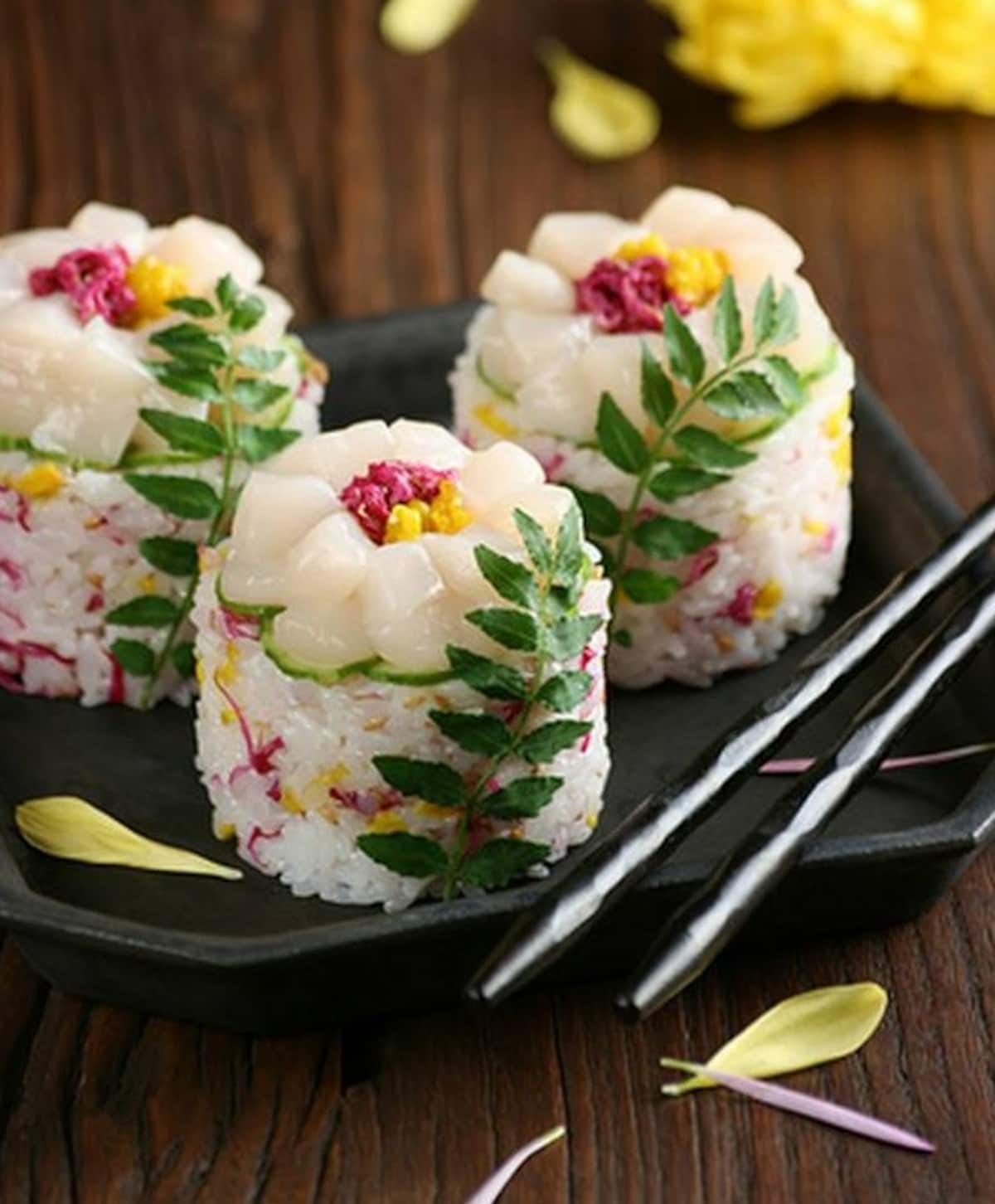
Both banana-leaves and shiso-leaves (also known as perilla leaves) were used as the barrier between her skin and the bottoms of the morsels. The banana leaves were cut to be rectangular, like thin planks under wider groups of morsels, and atop her thighs, and the shiso leaves were under distinct/standalone morsels.
Her arms had been left bare (no leaves or morsels on them), so she could move them if needed, such as to prevent a morsel from tipping off her torso or thighs, without worrying about other morsels then being tipped off her arms.
THEY REPLY?
The waiter / tableside chef showcased expert knife skills, torching techniques, precise rice seasoning, and artistic plating, often engaging the two guests with personal stories, ingredient origins, and tailored recommendations.
Handing each saucer-plated morsel to them one by one, he tailored this to the speed of each diner’s consumption, ensuring the highest quality in a timed, almost choreographed flow.
—
FINISH:
14 desserts (again, as with all courses during this meal service, in bite-size; nothing normal-size, helping to prevent overeating) were also presented like the rest of this meal’s recipes, in bite size.
These were kept in a freezer-temperature drawer in the middle of the gurney Z remained prone upon, revealed only after the appetizers, mains, and sides had all been sampled/consumed.
–Anmitsu (kanten jelly, fresh fruits, mochi, red bean paste, green tea ice cream, and a drizzle of sweet black sugar syrup)
–black sesame cookies; Kurogama Kukkī
–ice cream, green tea; Matcha aisu kurīmu
–ice cream, mochi (rice cake/dumpling); Yukimi Daifuku
–matcha Basque cheesecake
–matcha gateau au chocolat (French cake)
–matcha mille crepe cake
–matcha tiramisu
–miso butter-cookies
–Nama chocolate
–red-bean pancake; Dorayaki
–sponge cake; Castella
–sweet rice-ball dumplings on a stick; Dango
–Taiyaki (fish-shaped cake-waffle)
The after-dinner mints were made in house just like the rest of the meal, and it was even possible request custom ones made right at their table, though they were recommended chilled for at least several minutes before consuming, that their ingredients have time to set.
THEY REPLY?
—
After the dessert course, the waiter would offer Z a helping hand to sit up, ‘ground’ herself a moment, then carefully ease off the gurney without pushing it away or tilting it.
It was at this time that she and the waiter-chef bowed a second time to Echo and Yun-Hee, formally thanking them and concluding the meal-service.
Anything they didn’t like would be taken home with Z.
Anything they liked but didn’t finish would be packaged up as leftovers, good for a couple days after this dinner.
((Meal-service concluded.))
NOW THEY POST: ___
–






–
vids